Drift Techniques
Drift Techniques
Practical habits for holding a slide, with a clear line between general advice and store-listed controls.
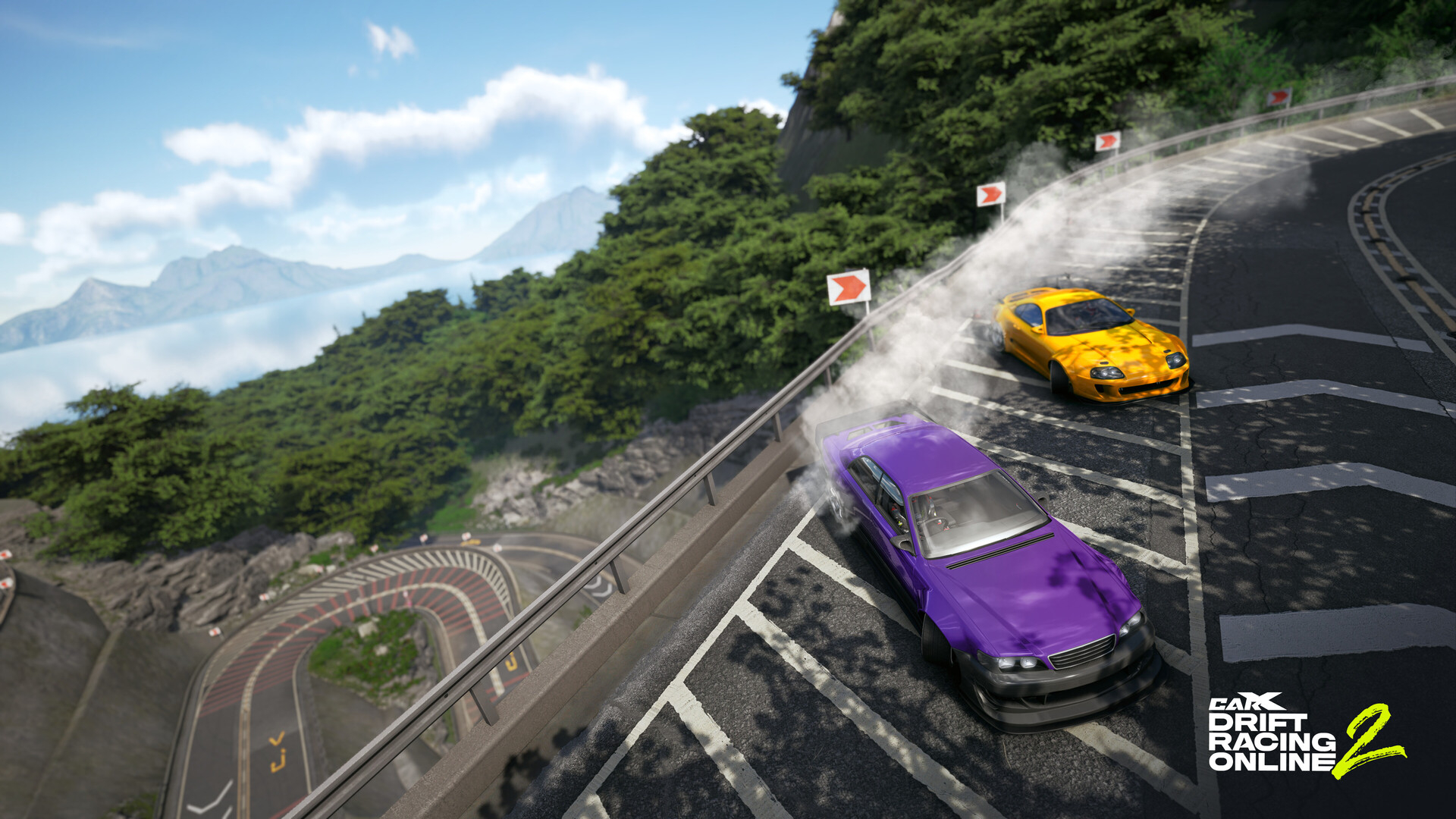
Look through the corner
The most useful general habit is where you look. If your eyes stay on the nearest cone, wall, or patch of smoke, the hands tend to follow and the car tightens up. Looking toward the exit gives the steering a destination. This is ordinary driving advice. The Google Play listing does not publish a camera tutorial, so this paragraph does not pretend to be one.
A drift line, in the same general sense, is the path the car travels while it is sideways. Initiating too early can push the car off the outside. Initiating too late can leave no room to rotate. The listing does not name clipping points, so this site does not name them either. Practice on a familiar stretch and notice whether the car is running out of room before you change the whole setup.
Handbrake, throttle, and steering
The listing for CarX Drift Racing 2 tells the player to pull the handbrake to skid. That is a confirmed control description, not a general metaphor. A short pull can start the rotation. Holding it too long, in ordinary driving experience, often kills speed and makes the next transition clumsy. The listing does not time that pull, so neither does this page.
Once the car is sliding, steering and throttle share the work. More throttle can keep the rear tyres loose. Lifting can let the car grip and straighten. Countersteer catches the rotation so the nose stays near the direction you want. The listing's steering notes mention quick direction changes, driving backwards, and drift donuts. Those are listed capabilities. They are not a request to spin the car on every corner. Donuts and reverse driving are specific actions the store text names. Use them when you mean to, not as the default line.
Transitions — linking one slide into the next by changing direction — are discussed here as general technique. The listing does not publish a transition tutorial. The closest structured practice it does describe is XDS: you run as the leader, then follow your own earlier line as the follower, and the listing says the result is judged on a 100-point system modeled on real drift competition. This page will not split those 100 points into made-up categories. Read the mode summary on Gameplay.
Consistency before spectacle
A repeatable slide is more useful than one dramatic angle you cannot place again. If the car spins, the usual general causes are too much speed on entry, too much handbrake, or steering that stays turned in after the car has already rotated. If the car will not rotate, the usual general causes are not enough commitment, a line that is already tight, or a setup this site is not going to guess in numbers. Change one input at a time.
Surface matters. The listing names asphalt, sand, grass, and snow. Loose surfaces generally need gentler hands. That is advice about driving, paired with a surface list that does come from the store. It is not a grip coefficient.
Short reminders live on Tips. A longer reading order lives on Guides. Setup categories, still without values, live on Car Tuning.
Independent fan site
This is an independent fan website dedicated to CarX Drift Racing Online 2. It is not affiliated with, endorsed by, or officially connected to the game's developers or publishers.
General habits, kept separate from the listing
Most of this page is general driving advice. That phrase is doing real work. It means the habit is the sort of thing drivers repeat about sideways cars in many games and in safe practice, and it means the Google Play listing for CarX Drift Racing 2 does not publish the habit as an official tutorial. The listing does publish a few concrete controls, and those stay marked as listing claims: pull the handbrake to skid, use steering for quick direction changes, drive backwards, drift donuts, and treat tyre pressure as something that affects physics. Surfaces are asphalt, sand, grass, and snow. Everything else on this page — vision, throttle against steering, the length of a handbrake pull, linking one slide to the next — is general, and it can be wrong for a particular car in the game.
Vision is the habit worth repeating because it changes the others. If you look at the closest wall, cone, or puff of smoke, your hands tend to steer toward it and the car tightens. If you look toward the exit of the corner, the steering has a destination and the correction can be smaller. This is not a camera tutorial. The listing mentions a drone camera for watching other players in online rooms. That is a spectator tool in the store text, not a instruction to move your eyes. The JPEG of smoke on this site is an illustration of the distraction, not a frame from the game.
Throttle and steering share the slide in ordinary teaching. More throttle often asks the rear tyres for more angle. Lifting can tighten the car or unload it, depending on the car and the surface, which is why this page will not give you a single pedal map. Steering into the slide and steering out of it are both corrections, and the useful one is the one that points the nose where you are looking. Wheel angle is a tuning category on the listing, not a degree value here. If you add steering lock in the garage, relearn the correction instead of assuming the old hand movement still fits.
The handbrake is the control the listing is most direct about. It says to pull it to skid. General practice, not a store number, is that a short pull starts rotation and a long pull spends speed. Learn that on a wide piece of track before you try to chain corners. Donuts and reverse driving are also listing descriptions. They are ways the store text says the car can be asked to move. They are not a drill sheet with lap targets. Use them to feel the handbrake and the steering, then go back to a corner if the mode you care about is a tandem or a cup.
Transitions — changing from one direction of slide to the other — are general technique. The listing does not publish a transition tutorial. The closest structured exercise it does describe is XDS: a leader pass, then a follower pass of your own line, scored on a 100-point system based on real drift judging. This page still will not split the 100 points. Practicing transitions can make that follower pass easier to understand, because the follower is asked to stay near a line you already drove. It does not tell you the scoring weights. Gameplay keeps the mode description. This page only borrows the name so the general drill has a listing-shaped target.
Surface changes the timing of the same habits. Asphalt usually gives you more grip and a sharper breakaway than sand, grass, or snow, in ordinary driving experience. The listing names all four and does not rank them. Do not treat a sand slide as a failed asphalt slide. Reset the handbrake timing and the amount of throttle when the surface changes, and do not expect this article to supply a coefficient. The four panels in the illustration are labels, not a physics paper.
None of this is instruction for a real car on a public road. A game can reset a spin. A road cannot. The terms page says the same thing because the limit matters. Use the advice inside the game, in a wide area, at a speed you can miss. If a tip fights the car, drop the tip. The fan site would rather be ignored than be treated as a hidden mechanic.
Questions about whether a paragraph is a listing claim or a general habit can go to [email protected], to +65 6264 3191, or to 48 Toh Guan Road East, #01-119 Enterprise Hub, Singapore 608586. If you think a general habit has been written as if the store said it, that is a useful correction. The Contact form can open a draft and will also keep a copy in the browser. It will not turn the correction into a new points table.